
Hot-dip galvanizing vs electro-galvanizing
Published on 17 August 2026 by Metal S.r.l.
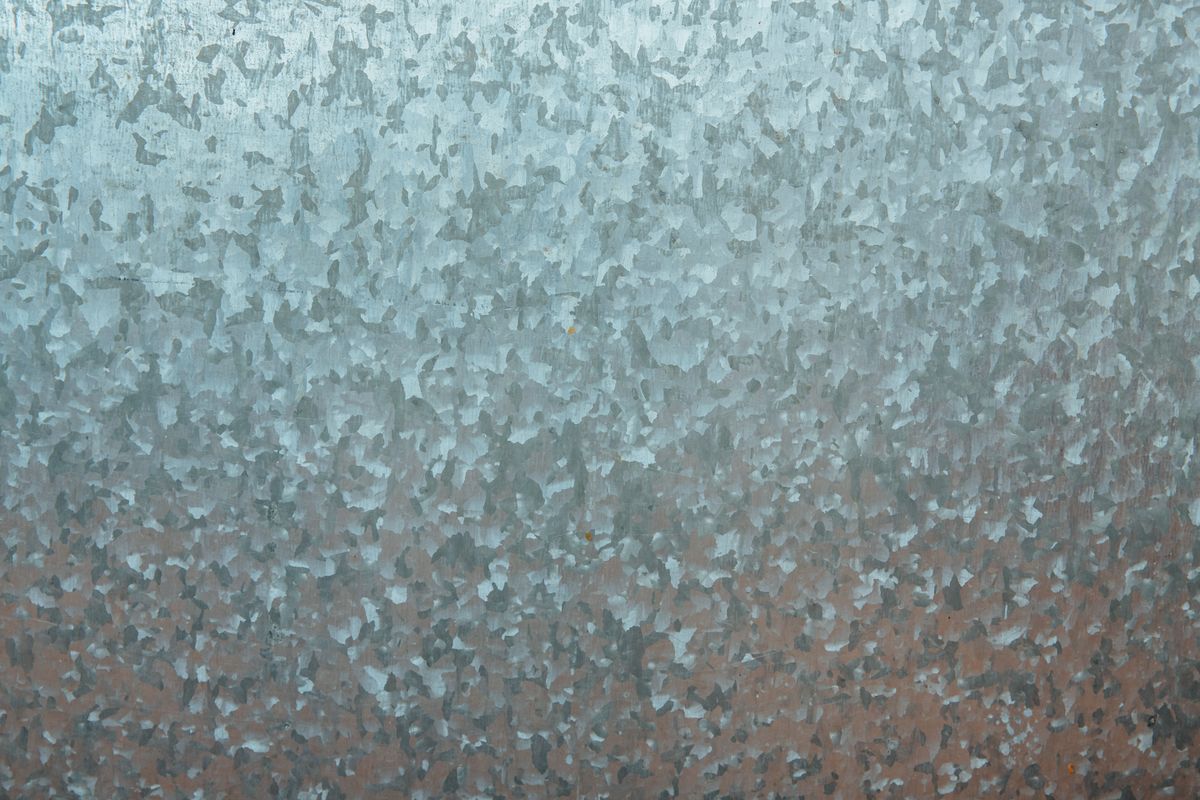
Galvanizing protects steel from corrosion with a zinc layer that corrodes sacrificially instead of the metal. The two main processes — hot-dip and electrolytic — give very different results in thickness, lifespan and look.
Hot-dip galvanizing (EN ISO 1461)
After pickling and fluxing, the part is dipped in molten zinc at about 450 °C. Zinc bonds metallurgically with the steel, forming 45–85 µm layers (more on thick sections). It protects edges, tube interiors and welds too.
Electro-galvanizing
Zinc is deposited by cold electrolysis in thin, even layers of 5–25 µm with a smooth, bright finish (white, yellow or black passivation). Ideal for small parts and indoor aesthetic components.
Quick comparison
| Criterion | Hot-dip | Electrolytic |
|---|---|---|
| Typical thickness | 45–85 µm | 5–25 µm |
| Outdoor lifespan | 20–50+ years | 1–5 years |
| Finish | Matt grey, rough | Smooth and bright |
| Best for | Structures, fences, fabrications | Fasteners, small parts, indoor |
| Cost | Per kg, good on large parts | Low on small batches |
Impact on fabrication
Hot-dip zinc adds real thickness: holes and slots must be oversized (~0.5–1 mm), threads re-cut or protected, and parts need vent and drain holes for dipping. Tell us upfront that a part will be galvanized — we design it accordingly.
Duplex system
Hot-dip galvanizing + powder coating multiplies the lifespan of both systems and gives any RAL colour. The typical choice for premium gates and fences exposed to the weather.
Conclusion
Metal S.r.l. builds fabrications ready for galvanizing (vent holes included) and manages the full cycle: cutting → bending → welding → galvanizing → optional painting.
Quote for galvanized fabrication →