
Aluminium or steel: choosing the right metal
Published on 17 August 2026 by Metal S.r.l.
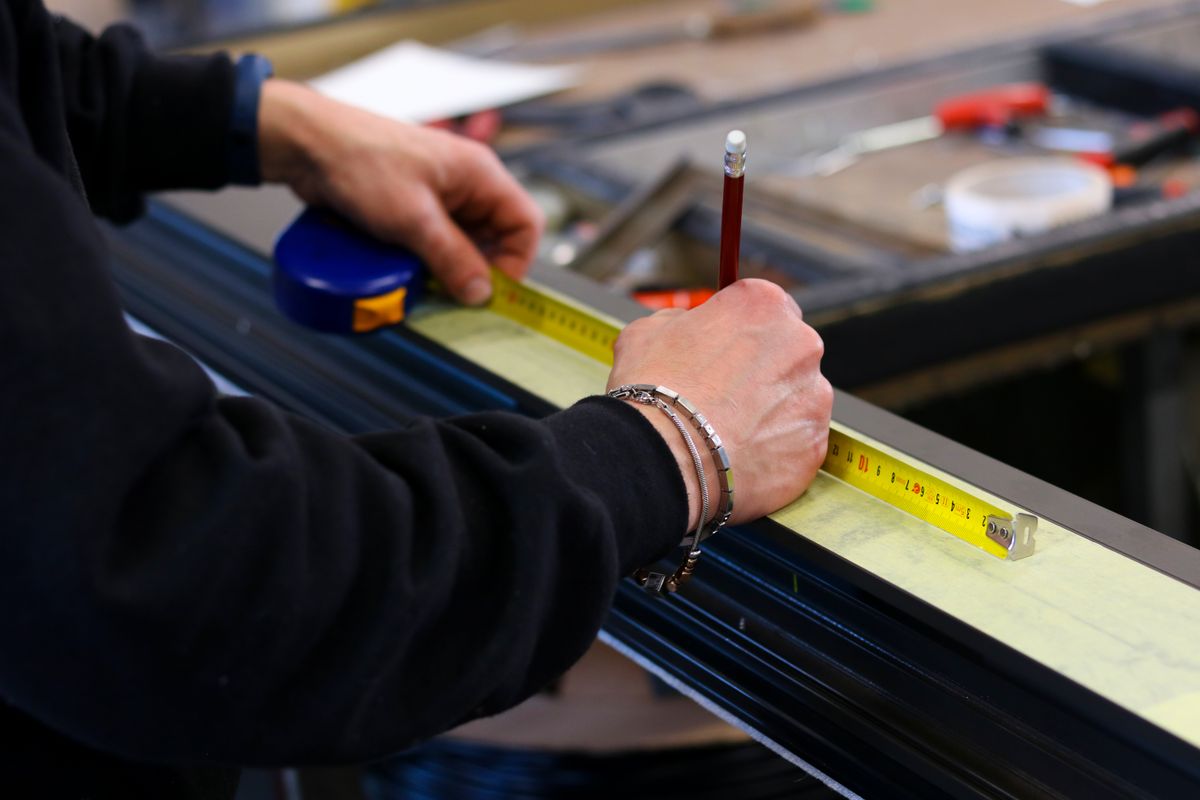
"Should we make it in aluminium or steel?" is one of the most common questions in the workshop. There is no single answer: it depends on weight, environment, loads and budget.
Weight and strength
Aluminium weighs 2.7 kg/dm³ against 7.85 kg/dm³ for steel: one third at equal volume. But S235 steel is roughly twice as strong as common alloys (EN AW-5754/6060): at equal stiffness aluminium's weight advantage shrinks, though it remains significant (~50%).
Corrosion
Aluminium protects itself with an oxide layer and performs very well outdoors untreated (or anodised). Carbon steel needs galvanizing or painting; stainless is the premium alternative.
Workability
- Cutting: both cut well on CNC plasma; aluminium needs dedicated parameters
- Bending: aluminium wants larger radii (cracking risk on hard alloys)
- Welding: steel is more forgiving (MIG/MAG); aluminium needs TIG/MIG skill and cleanliness
Comparison table
| Criterion | Aluminium | Steel S235/S355 |
|---|---|---|
| Density | 2.7 kg/dm³ | 7.85 kg/dm³ |
| Cost per kg | ~3x steel | Baseline |
| Corrosion | Excellent untreated | Needs protection |
| Weldability | Good (dedicated TIG/MIG) | Excellent |
| Typical uses | Transport, marine, frames | Structures, machinery, gates |
When to pick which
Aluminium: when weight matters (moving parts, vehicles, manual handling) or you need corrosion resistance without maintenance. Steel: when stiffness, wear resistance and cost matter — the standard choice for structures and general fabrication.
Conclusion
Metal S.r.l. fabricates both metals: bring us your project and we will help you pick the best option, including a side-by-side quote in both materials.
Quote in aluminium or steel →