
Corten steel: properties, uses and fabrication
Published on 17 August 2026 by Metal S.r.l.
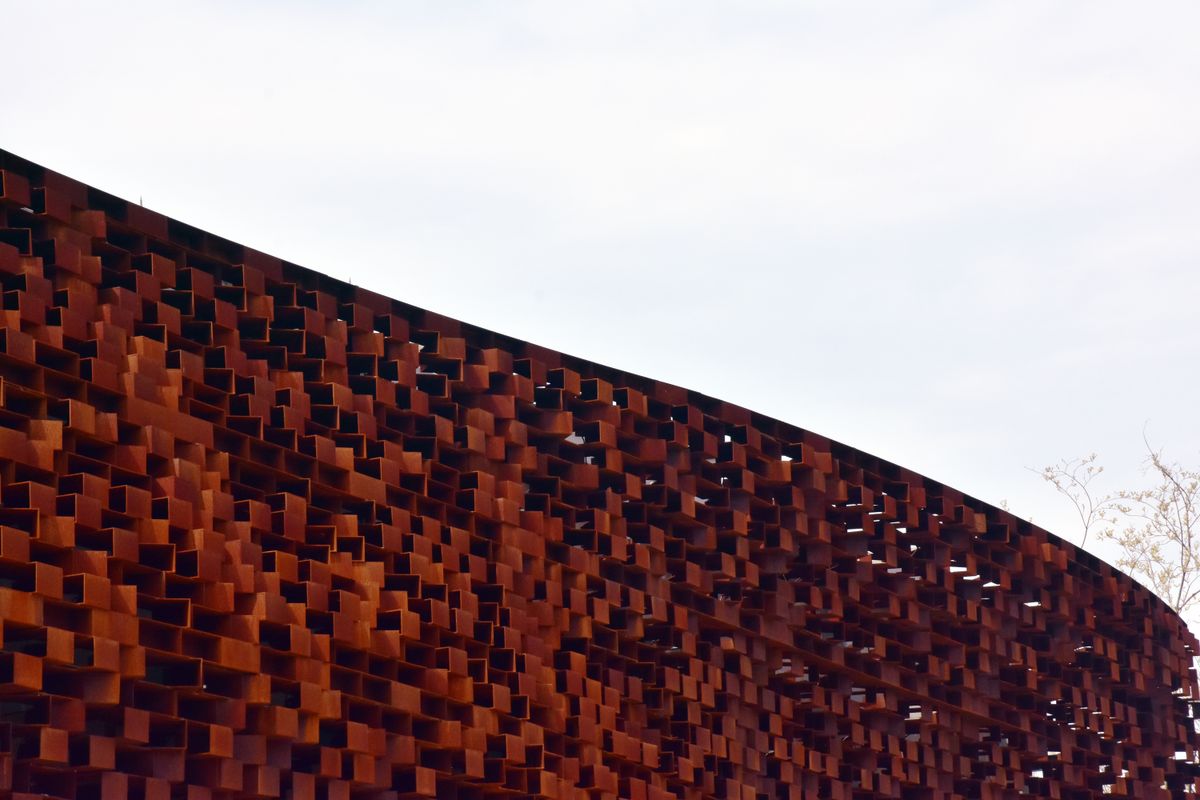
Corten steel (CORrosion resistance + TENsile strength) is a "weathering" steel: exposed to the elements it develops a compact, adherent patina of oxides that protects the metal underneath and slows corrosion dramatically.
How the patina forms
During the first 6–18 months of wet/dry cycles the surface turns from bright orange to a deep, even brown. The patina is self-healing: if scratched, it re-forms. In permanently damp or chloride-rich environments (sea, pools) it never stabilises — use stainless or galvanised steel instead.
Typical applications
- Architecture: façades, cladding, sun screens
- Urban furniture and gardens: planters, edging, fences, signage
- Sculpture and design: plasma or laser cut decorative panels
- Structures: bridges and industrial buildings (its original purpose)
Corten, painted steel or stainless?
| Criterion | Corten | Painted steel | Stainless 304 |
|---|---|---|---|
| Maintenance | Almost none | Periodic touch-ups | Almost none |
| Look | Warm brown | Any RAL colour | Brushed metallic |
| Material cost | Medium | Low + paint cycle | High |
| Marine environment | Not advised | With proper cycle | Excellent (316 better) |
Fabrication
Corten is CNC plasma cut, bent and welded like ordinary structural steel (S355 with copper and chromium additions). Two tips: use matching filler wire on visible welds so the seam weathers too, and design details that avoid standing water. Beware of run-off staining in the first months: keep panels off light-coloured floors or use draining gravel.
Conclusion
Metal S.r.l. cuts, bends and welds corten sheet to drawing for architecture, furniture and general fabrication — including custom decorative panels starting from a simple DXF.
Quote for corten fabrication →